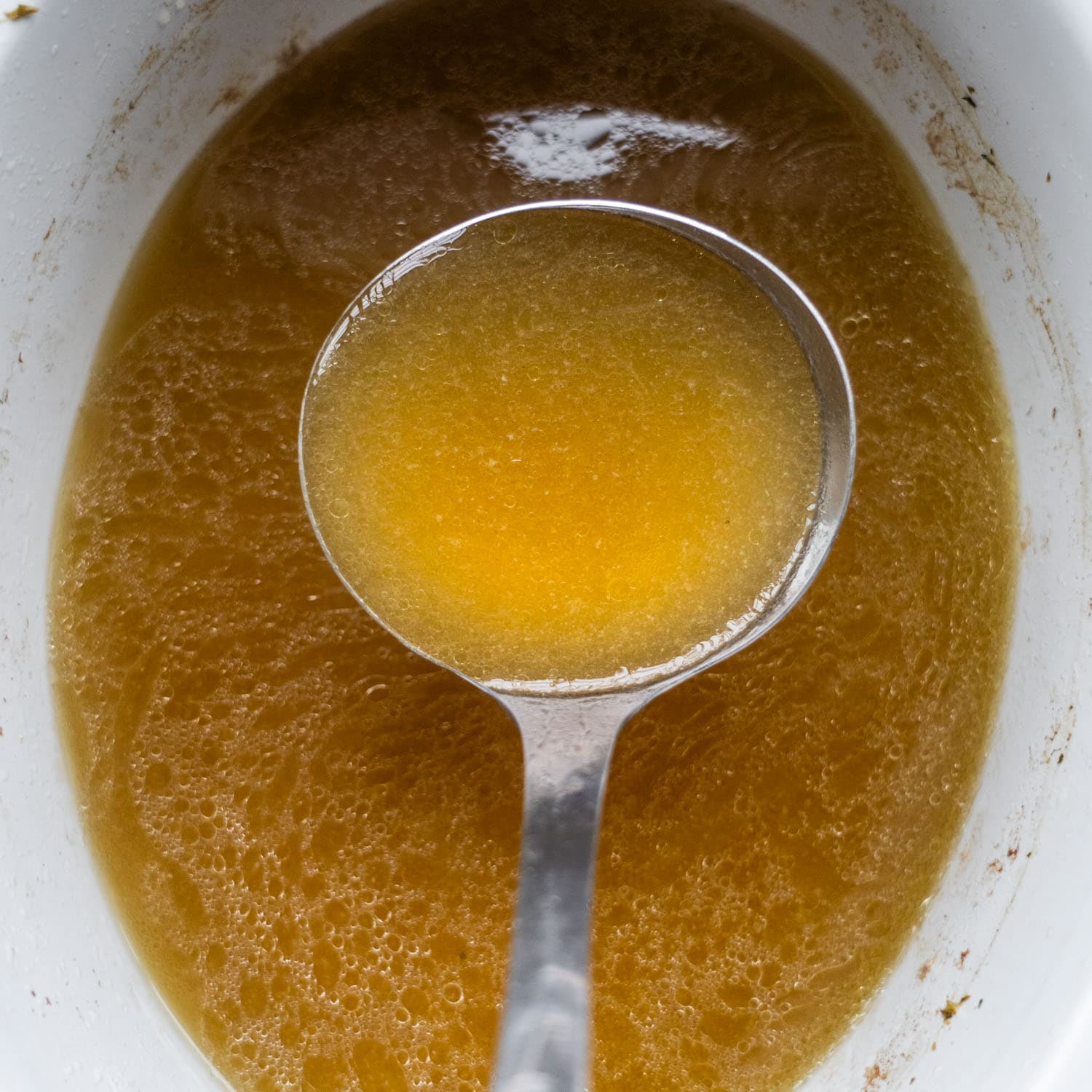
Unlock the Golden Goodness: Your Guide to Homemade Crockpot Chicken Broth
Imagine your kitchen filled with an aroma so comforting, so rich, it instantly makes your home feel warmer. That's the magic of homemade crockpot chicken broth. Forget bland, store-bought cartons filled with questionable additives; making your own nourishing broth is not only incredibly easy but also remarkably rewarding. This comprehensive guide will walk you through crafting a vibrant, golden chicken broth right in your slow cooker, along with essential tips for freezing it for future use and cleverly reusing the cooked chicken.
Making your own broth is an age-old tradition that brings immense flavor, health benefits, and even cost savings to your culinary adventures. Whether you're a seasoned cook or a kitchen novice, the slow cooker makes this process virtually foolproof, delivering a velvety smooth and deeply flavorful liquid that's perfect for soups, sauces, casseroles, and so much more.
The Secret to Golden Crockpot Chicken Broth: Ingredients & Process
The beauty of homemade crockpot chicken broth lies in its simplicity and the ability to control every ingredient. The key to that coveted golden hue and robust flavor isn't complicated – it's all about thoughtful ingredient selection and allowing time to work its magic.
Choosing Your Chicken: Dark Meat for Richness
For the absolute best flavor profile, prioritize dark meat. Chicken thighs, legs, and wings are your go-to choices. Not only do they yield a richer, more gelatinous broth due to their higher fat content and bone marrow, but they're often more budget-friendly than white meat. While you can certainly use a whole chicken or a mix of parts, focusing on bone-in dark meat pieces will give your broth unparalleled depth. This approach also helps reduce waste, making the most of every part of the chicken.
The Golden Touch: Don't Peel that Onion!
Here's a tip that truly transforms your broth: don't peel the onion! The papery outer layers of an onion contain natural pigments that, when slow-cooked, leach into the liquid, giving your broth a beautiful, deep golden-yellow, honey-like color. This simple trick adds visual appeal without altering the taste in any undesirable way. Along with your unpeeled onion, consider adding other aromatic vegetables like carrots (also unpeeled for extra color and nutrients), celery stalks, and a few cloves of garlic (smashed, skin on or off).
The Simple Steps to Flavorful Broth:
- Gather Your Ingredients: You'll need 2-3 pounds of bone-in dark chicken pieces (thighs, legs, wings), a whole unpeeled onion (quartered), 2-3 carrots (chopped, unpeeled), 2-3 celery stalks (chopped), 3-4 cloves of garlic (smashed), 1-2 bay leaves, a teaspoon of whole black peppercorns, and enough water to cover all ingredients. Some prefer to add a pinch of salt now, while others prefer to season the broth later when using it in recipes.
- Load the Crockpot: Place the chicken pieces at the bottom of your slow cooker. Arrange the prepared vegetables and spices around the chicken.
- Add Water: Pour in cold water until all ingredients are submerged. This usually amounts to around 8-10 cups, depending on your slow cooker size.
- Stir and Cook: Give everything a gentle stir to ensure even distribution. Now, choose your cooking time:
- For a quick but still delicious broth, cook on HIGH for 4 hours.
- For a deeper, more concentrated flavor, perfect for an overnight cook, set your slow cooker to LOW for 8-10 hours. Both methods yield fantastic results, allowing you to choose based on your schedule.
- Strain for Smoothness: Once cooking is complete, carefully remove the chicken and vegetables. Place a fine-mesh strainer over a large soup pot or bowl. Pour the entire contents of the crockpot through the strainer. This separates the solids from your beautiful, clear broth. You should yield approximately 5 cups of rich crockpot chicken broth.
- Cool Down: Allow the broth to cool completely before storing. This is crucial for food safety. You can speed up the process by placing the pot in an ice bath.
For more detailed insights on crafting this liquid gold efficiently, check out our Hour Crockpot Chicken Broth: Easy & Flavorful Guide.
Make the Most: Freezing & Reusing Your Broth and Chicken
One of the greatest advantages of making your own crockpot chicken broth is the incredible versatility it offers. Not only do you get a superior broth, but you also end up with perfectly cooked, tender chicken that's ready for its next act. Plus, by embracing this homemade approach, you save money and reduce waste, a win-win for your wallet and the environment.
Storage Solutions for Your Liquid Gold:
Proper storage ensures your homemade broth remains fresh and ready for whenever inspiration strikes:
- Refrigeration (Short-Term): Once cooled, transfer your broth into airtight containers or glass mason jars. Store in the refrigerator for 3-4 days. You'll likely notice a layer of fat solidify on top – this acts as a natural seal, further preserving the broth and can be easily skimmed off if desired before reheating.
- Freezing (Long-Term, Preferred Method): Freezing is the most convenient way to store broth for extended periods.
- Freezer Bags: Once cooled, pour the broth into freezer-safe bags, leaving a small headspace for expansion. Lay them flat in your freezer for efficient storage.
- Containers: Use freezer-safe plastic containers or even wide-mouth mason jars (ensure they are freezer-safe and leave at least 1-inch headspace to prevent cracking).
- Ice Cube Trays: For smaller portions perfect for sautéing vegetables, deglazing pans, or adding a flavor boost to gravies, freeze broth in ice cube trays. Once solid, transfer the cubes to a freezer bag.
- Canning (Extended Long-Term): For pantry-stable broth that lasts up to a year, pressure canning is an option. Ensure you follow approved pressure canning guidelines:
- Pints: Process for 20 minutes at the recommended pressure for your altitude.
- Quarts: Process for 25 minutes at the recommended pressure for your altitude.
Repurposing the Cooked Chicken:
Don't even think about discarding that flavorful, tender chicken! After straining, carefully remove the chicken meat from the bones. It should be incredibly soft and easy to shred with two forks or your fingers. The bones, along with any remaining cooked vegetables that have given up all their flavor, can now be composted or discarded.
Once shredded, the chicken is incredibly versatile:
- Immediate Use: Incorporate it directly into a comforting chicken noodle soup, stir it into creamy chicken and dumpling soup, or add it to a quick batch of quesadillas or tacos.
- Freezing for Future Meals: Just like the broth, the shredded chicken freezes beautifully. Portion it into freezer bags and freeze. When you're ready to cook, simply defrost and add to casseroles, salads, sandwiches, or any recipe calling for cooked chicken. Having this pre-cooked protein on hand is a game-changer for quick weeknight meals!
Embrace the Homemade Difference
Making your own crockpot chicken broth is more than just a recipe; it's an investment in flavor, health, and smart kitchen practices. The incredible aroma, the rich taste, and the satisfaction of knowing exactly what goes into your food are unparalleled. With the ease of the slow cooker and these practical tips for storage and reuse, you'll wonder why you ever bought broth from the store. Dive in, enjoy the process, and savor the golden results!
